Cold Storage is back
Is your wallet safe, and would you know if it weren't? Three cases from this year, and how to check yours.
From the Crypto Asset Recovery team ·
TL;DR
COLDCARD: seeds made on affected firmware were guessable. If yours was, create a new seed and move your funds. A firmware update alone doesn't fix it.
Ill Bloom: some older, lesser-known wallet apps made weak recovery phrases. Check your public address, never your phrase, at illbloom.org.
Electrum: update to 4.8.3 or later, and read the whole address before you sign, not just the last few characters.
Hi, I'm Charles. I'm the CEO of Crypto Asset Recovery, which I run with my co-founder, Chris, who also happens to be my dad. Since 2017 we've been helping people get back into crypto wallets they've been locked out of: forgotten passwords, partial seed phrases, wallet files sitting on old drives, etc.

Cold Storage is the newsletter we write alongside that work, and it went quiet after May 2025. We're bringing it back around one question we hear all the time: is my wallet safe, and would I even know if it weren't?
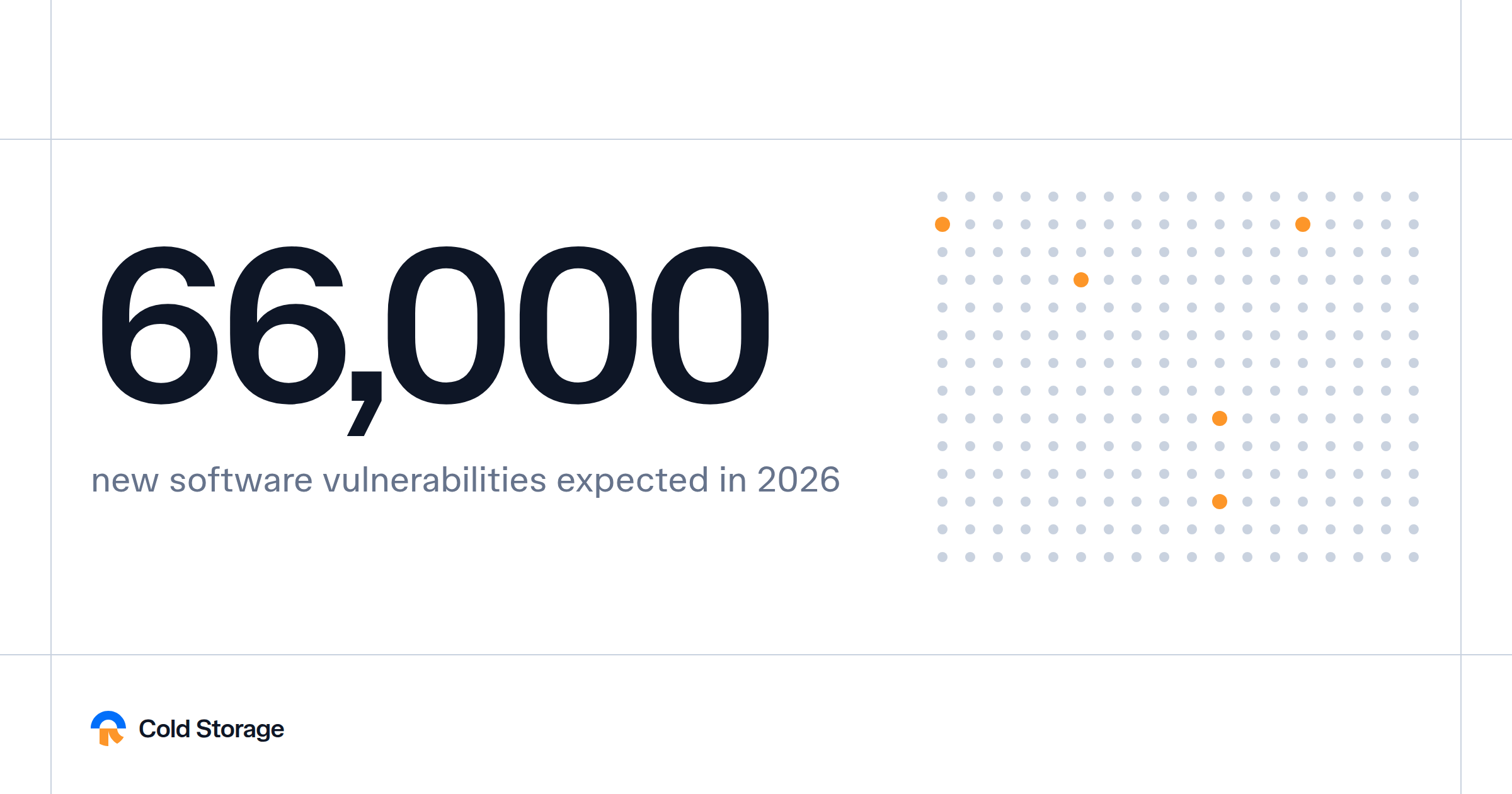
That question is harder to answer than it used to be. Software flaws are being found faster than ever, a lot of it with help from AI tools. FIRST, the global incident-response group that forecasts vulnerability disclosures, now expects about 66,000 new CVEs this year. Most won't touch your wallet. Some will, and the people exploiting them have the same tools. Each issue, we'll pick out the ones that matter for wallets you hold yourself, explain whether they affect you, and show you how to check.
A lot happened while we were away. These three incidents from the past six months show why the second half of that question matters: in each one, the owner did nothing wrong, and nothing looked wrong until the money was gone.
A hardware wallet that generated guessable seeds
On July 30, an attacker swept about 1,083 BTC from 1,196 addresses in 41 minutes. More waves followed, and by August 1 the estimated total was about 1,367 BTC, roughly $88.6 million, from 4,585 addresses. The common thread: each seed had been generated on a COLDCARD running affected firmware.
Researchers at Block traced it to an integration error in the firmware's random number generation. Instead of the hardware random number generator, affected versions fell back to a software generator fed by the chip's identifier and timing values, which aren't secret enough. An attacker could generate candidate seeds offline and compare their addresses with the chain. The theft happened about 30 hours before Coinkite disclosed the flaw.
Affected firmware:
Mk2 and Mk3: 4.0.1 through 4.1.9 (fixed in 4.2.0)
Mk4 and Mk5: standard before 5.6.0, Edge before 6.6.0X
Q: standard before 1.5.0Q, Edge before 6.6.0QX
TAPSIGNER, OPENDIME and SATSCARD use different code and aren't affected.
What to do. Updating the firmware doesn't repair a seed that was already generated, so if your seed came from an affected version, you need to move your funds. Install the fixed firmware, create a new seed, check a receive address on the device, send a small test transaction, then move the rest. Keep the old backup until the move is confirmed. Coinkite says seeds that include at least 50 fair, private dice rolls aren't at risk from this flaw alone.
Weak recovery phrases in older wallet apps
In July, the security firm Coinspect disclosed a flaw it calls Ill Bloom: some wallet apps generated recovery phrases with weak randomness, so attackers could narrow down the possible phrases and derive the keys. A coordinated sweep on May 27 took about $3.1 million from 431 wallets, and confirmed losses have since passed $5 million.
The risk is concentrated in older or lesser-known mobile apps and browser extensions, some dating to 2018. Hardware wallets and most mainstream software wallets reportedly aren't affected. Coinspect hasn't named the apps. It has found five vulnerable implementations and expects there are more.
What to do. If you have a wallet from a smaller or discontinued app, paste its public address, never the recovery phrase, into the checker at illbloom.org. If it matches, treat the phrase as compromised even if nothing has moved: create a new wallet with a freshly generated phrase and move the funds. Importing the old phrase into a different app doesn't help. Check every chain tied to the same phrase, and don't treat a clean result as a guarantee, because the list is incomplete.
Electrum, and the fee bump that paid an attacker
On October 24, Electrum released version 4.8.3 to fix a flaw that was already being used to steal bitcoin. A malicious server could hold back a user's real payment and plant a fake one in the wallet's history. The fake spent the same coins but sent them to an attacker's address picked to end in the same four characters as the real recipient. It paid no fee, so it looked stuck. When the user sped it up with Replace-by-Fee, they signed the attacker's transaction.
Before 4.8.3, Electrum didn't check signatures on unconfirmed transactions it received from servers. People running their own Electrum server weren't exposed; anyone on a public server was. Total losses haven't been disclosed.
What to do. Open Help, then About. If you're on anything below 4.8.3, update from electrum.org and verify the signature before installing. And before you sign any transaction, read the whole recipient address and the amount, on your hardware wallet's screen if you use one, not just the last few characters.
Would you have known?
None of these owners could have spotted the problem by looking at their wallet. The COLDCARD and Ill Bloom seeds looked like any other seed; they were weak from the day they were made, sometimes years before the theft. The Electrum wallet showed its owner a payment that wasn't real. The only way to know you were affected was to hear about the flaw and check before an attacker got there first. That's what Cold Storage is for.
The habits that help are still unglamorous: know what software created your seed, keep wallet software current, and read the full address before you sign.
One last note. Incidents like these bring out people posing as recovery services and security researchers. Coinspect says it will never ask for a recovery phrase. Treat anyone who contacts you first and asks for one as a scammer. Email from us always comes from cryptoassetrecovery.com or one of its subdomains: news.cryptoassetrecovery.com for this newsletter and help.cryptoassetrecovery.com for support. Check the end of the address, not just the start. Something like cryptoassetrecovery.com.example.net is not us.
From here on, Cold Storage comes out every Thursday.
Charles and Chris
Locked out of a wallet or missing part of a seed phrase? Start a recovery →